
What removalists cost in Sydney
It is the first thing anyone asks, and most answers online are written to make one company look cheap. This is the honest version, including the parts that push a quote up.
5.0 from 247 Google reviews Rated 5.0 out of 5 from 247 Google reviewsBy Ansul, owner of Sydney Relocators Updated 7 min read
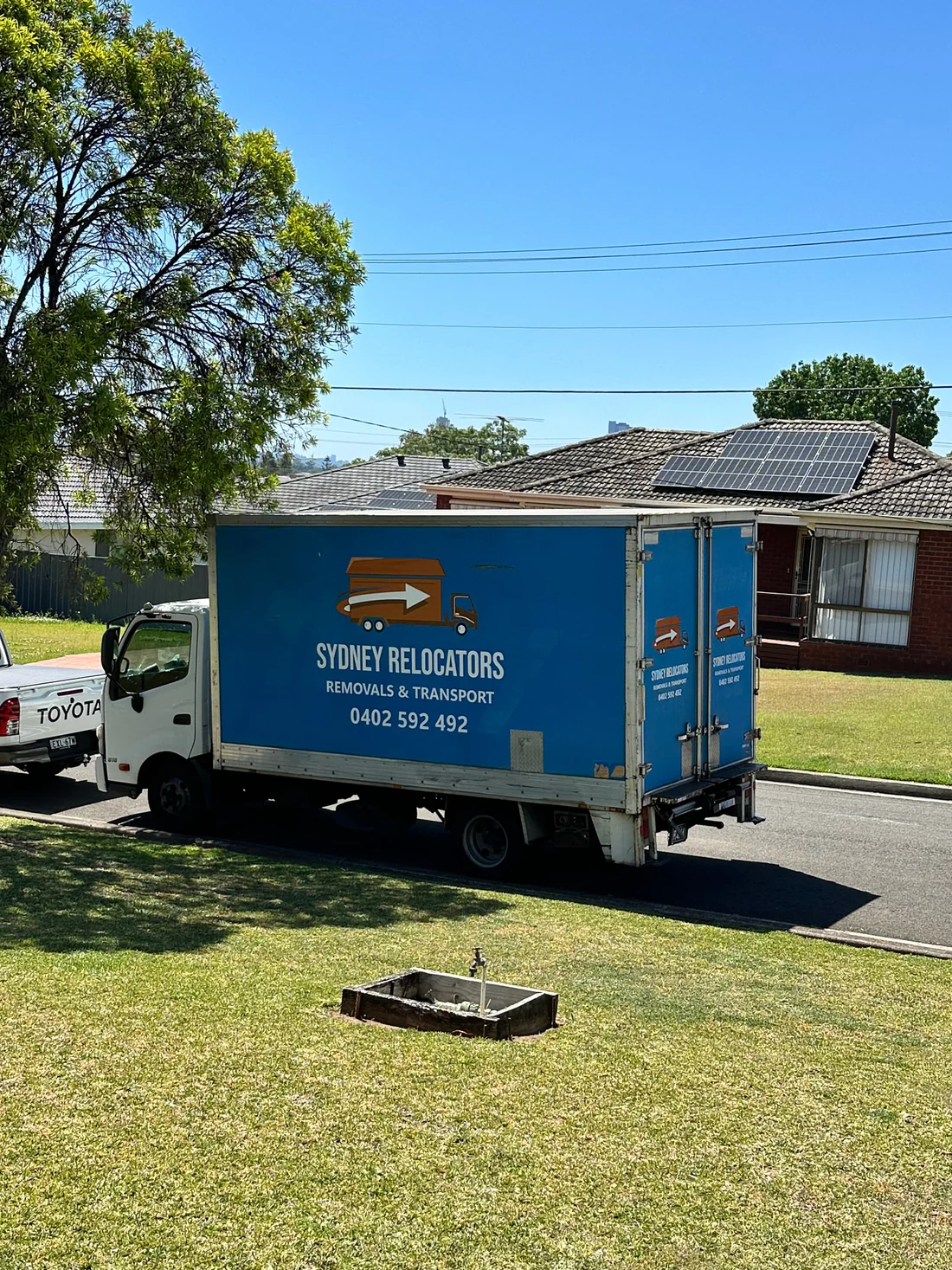
Nobody enjoys ringing around for removalist quotes. You get four numbers that are wildly different, no explanation of why, and a suspicion that at least one of them is going to change on the day. This is what the market actually looks like in 2026, and what to look for underneath the number.
The going rate in Sydney
Across published rates from the larger Sydney removalist companies in 2026, a two-person crew with a truck generally sits somewhere between $140 and $200 an hour including GST. Three people run roughly $290 to $340, and four people $390 to $460. The spread is wide because it covers everything from a one-truck operator to a national franchise with a call centre behind it.
Translated into whole jobs, the published estimates around the market look roughly like this:
- Studio or one bedroom: around $600 to $1,100
- Two-bedroom unit or house: around $1,050 to $1,750
- Three bedrooms: around $1,900 to $3,250
- Four bedrooms or more: $3,300 and up
Treat those as a sanity check, not a quote. A three-bedroom house with a flat driveway at both ends and a three-bedroom house with a steep drive and a fourteenth-floor apartment at the other end are not the same job, and no published table can tell them apart. That is exactly why we quote each move rather than advertising a rate — a number that is right for one customer is wrong for the next.
What actually drives the price
Volume, not bedrooms
Removalists price on how much there is, and bedroom count is only a proxy. A three-bedroom house with a full garage, a shed and a granny flat can hold more than a four-bedroom house that was furnished last year. The garage is the single most under-declared room in Sydney.
Access at both ends
This is the big one. Stairs, a long carry from the truck to the door, a driveway too steep for a large truck, a shared lift with a two-hour booking — each of these adds real time. A move that would take five hours with a truck at the front door can take eight with sixty metres of carry and a lift you have to wait for.
The date you pick
The last few days of the month, Saturdays, and the weeks either side of Christmas are the busiest times in the industry. If your dates are flexible, a midweek move mid-month is genuinely easier to get and often cheaper. If they are not flexible, book early — those dates go first.
Distance and tolls
Within Sydney, distance matters less than people expect — an hour of driving costs about the same as an hour of carrying. Crossing the city on the M4, M5 or WestConnex does add tolls, and some companies pass those on separately. Worth asking.
The charges that turn a cheap quote expensive
An hourly rate on its own tells you almost nothing. These are the additions that explain most of the gap between the quote and the invoice, and every one of them is a fair question to ask before you book:
- Call-out fee — a fixed charge just for turning up, sometimes an hour's labour.
- Depot-to-depot travel — being billed for the drive from their yard to you and back again, on top of the job.
- Minimum hours — a three or four hour minimum on a job that takes two.
- Materials — blankets, shrink wrap and trolleys billed as extras rather than included.
- Stairs and heavy-item surcharges applied after the crew has seen the property.
- Fuel levies, weekend loadings and GST quoted separately so the headline rate looks lower.
How to compare two quotes properly
Ask every company the same five questions and the differences stop being mysterious:
- What is the total I will pay, including GST, if the job runs as expected?
- What is not included in that figure?
- Do you charge a call-out fee, travel time to and from your depot, or a minimum number of hours?
- What insurance do you carry, and can I see the certificate of currency?
- If the job takes longer than you estimated, what happens to the price?
That last question is the one that separates companies. A quote is only worth what the answer to it is worth.
How to spend less without regretting it
- Move midweek and mid-month if you possibly can.
- Be completely packed before the crew arrives. Watching removalists pack your kitchen at their hourly rate is the most expensive way to buy boxes.
- Get rid of things before the move, not after. You pay to transport everything you keep.
- Reserve the parking. An hour of carrying from up the street costs more than any permit.
- Describe the job honestly. An accurate quote you can plan around beats a cheap one that doubles.
The cheapest quote and the cheapest move are rarely the same thing. What you want is the quote that turns out to be true.
01 Why don't you publish your hourly rate?
Because an hourly rate on its own misleads people. Two jobs with identical bedroom counts can differ by hours depending on access, volume and the date. We'd rather ask a few questions and give you a number that's actually right for your move than advertise a rate that's wrong for most people who read it.
02 Is a deposit normal?
Yes, most removalists take one to hold the date and crew, and it's usually credited against the final invoice. Ask what happens to it if you need to reschedule — policies vary a lot.
03 Should I pay cash to save money?
Be careful with anyone who insists on it. Cash-only usually means no tax invoice, and no tax invoice often means no insurance and nothing to point at if something goes wrong.
04 Is the cheapest quote ever the right one?
Sometimes — if it comes with the same insurance, the same inclusions and the same clarity about what happens when the job runs over. Compare those three things and the decision usually makes itself.
Related guides.
-
 01 · 7 min
How to choose a removalist in Sydney
The five checks that actually separate a good removalist from a risky one — insurance, business legitimacy, reviews, and how they answer the phone.
-
 02 · 6 min
Best time to move house in Sydney
The cheapest days, the busiest weeks, and how far ahead to book — the timing factors that move the price more than almost anything else.
Want a number for your actual move?
Tell us what you're moving and where. It's free, there's no obligation, and you'll hear back the same day.
- Telephone
- 0402 592 492
- Response
- Same day, business hours